Skip to content


Today, Costa Rica is one of the most celebrated surf destinations in the world. From the powerful lefts of Pavones to the mellow peelers of Playa Guiones, the country’s consistent waves and pura vida lifestyle have attracted generations of wave riders. But it wasn’t always this way.
The history of surfing in Costa Rica is a story of remote coastlines, traveling surfers, and grassroots communities that helped shape the country’s surf culture. Whether you’re new to the sport or have been chasing waves for decades, understanding the history and evolution of surfing here adds a deeper layer to every session.
The Early Days: How Surfing Reached Costa Rica

Surfing arrived in Costa Rica in the 1960s, thanks to a small number of American and European travelers exploring Central America’s Pacific coast. These early surf explorers weren’t tourists—they were adventurers, many traveling by van or sailboat, searching for uncrowded waves.
One of the first well-documented surf missions happened in the early 1970s, when Californian and Hawaiian surfers began exploring the coast near Jacó, Dominical, and Tamarindo. They discovered warm water, consistent swell, and empty beaches—what many called a “surfer’s paradise.”
At the time, Costa Rica had very little infrastructure. Roads were rough, tourism was minimal, and surfboards were rare. If you broke a board, you fixed it yourself. But that’s part of what made those early years so special—the waves were raw, the stoke was pure, and the lineup was often just you and your friends.
The Boom of the ‘90s: From Secret Spots to Surf Towns

While Costa Rica remained relatively under-the-radar through the ‘70s and ‘80s, the 1990s marked a turning point. As word spread about the country’s incredible waves, surf media started to take notice. Articles in Surfer Magazine and Surfing helped put places like Pavones, Playa Hermosa, and Witch’s Rock on the global map.
At the same time, Costa Rica began investing in eco-tourism and surf-friendly infrastructure. Roads improved, surf camps and hostels popped up, and international travelers started arriving in greater numbers.
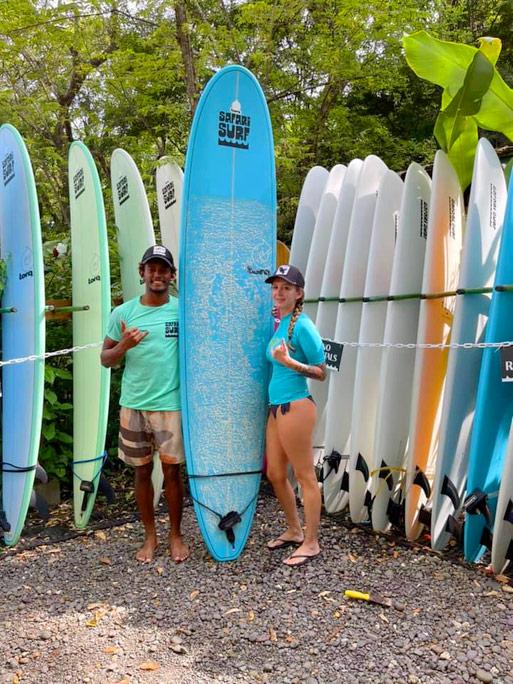
Nosara, in particular, began evolving from a sleepy fishing village into a global surf and wellness hub. Playa Guiones’ long, forgiving waves made it a top spot for beginners, while its consistent swell drew surfers of all levels year-round. Safari Surf School, one of the country’s first sustainable surf schools, was founded in the early 2000s and has since helped thousands of surfers catch their first wave in Nosara.
Costa Rica’s Unique Surf Culture

A balance of local pride and international influence has always shaped Costa Rica’s surf scene. While expats and traveling surfers helped develop much of the early infrastructure, the country’s homegrown surf talent began making waves in the 2000s.
Surfers like Carlos Muñoz, the first Costa Rican to compete on the World Championship Tour (WCT), helped shine a spotlight on the country’s talent. Meanwhile, national surf contests like the Circuito Nacional de Surf began supporting young local surfers and building a thriving community.
What sets Costa Rica apart isn’t just the quality of its waves—it’s the attitude in the water. Pura vida isn’t just a saying; it’s a surf philosophy. You’ll find shared stoke, easy smiles, and friendly lineups from Nosara to Dominical. It’s one of the few places where world-class waves and positive vibes still go hand in hand.
The East Coast and Caribbean Surf Scene
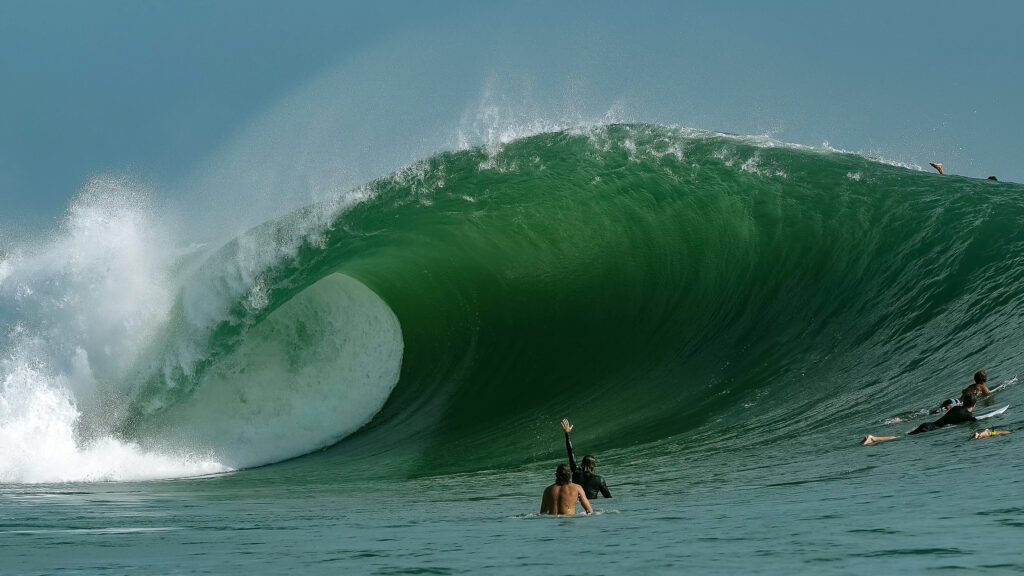
While most of Costa Rica’s surf history centers on the Pacific Coast, the Caribbean side has its own story. Puerto Viejo’s Salsa Brava is the crown jewel—a powerful reef break with a fast, barreling right that’s earned comparisons to Pipeline. Local Afro-Caribbean surfers and bodyboarders have long held down the scene here, and while less developed, the Caribbean coast has a tight-knit surf culture of its own.
Surfing Today: A Global Destination with Grassroots Roots
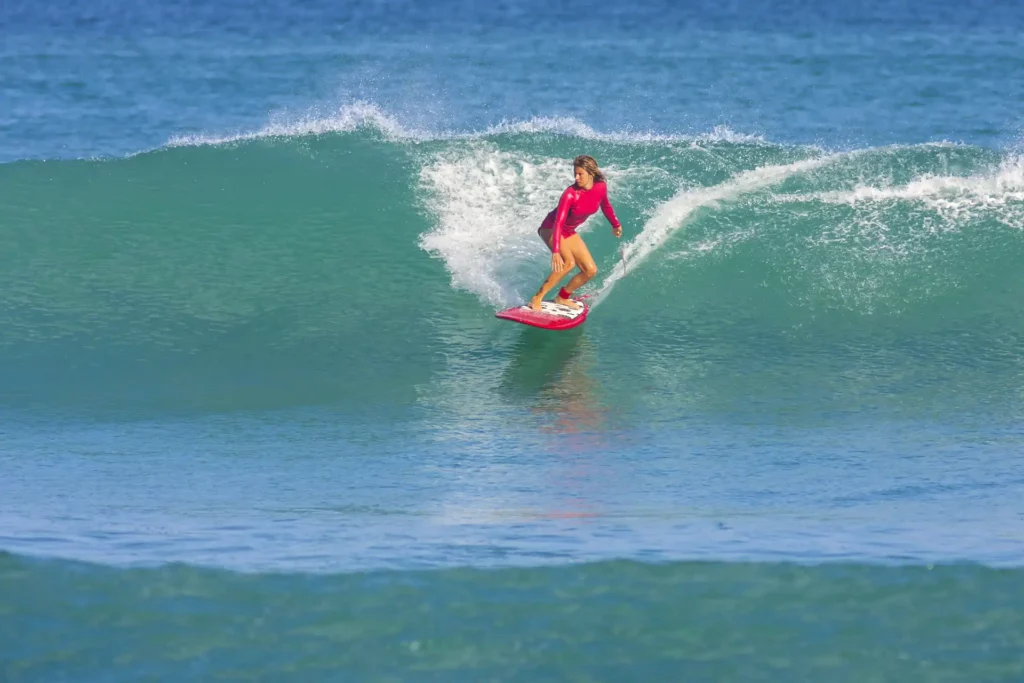
Today, surfing is a significant part of Costa Rica’s identity. The country hosts international surf competitions, supports a growing generation of young rippers, and attracts surfers from every corner of the globe.
But despite the growth, Costa Rica’s surf scene has stayed grounded. Locals and travelers alike work to protect the coast through sustainability, community-driven tourism, and surf education. Organizations like the Surf Rider Foundation, national marine parks, and Costa Rica surf schools like Safari Surf are helping to ensure the beaches and waves stay clean, accessible, and welcoming.
Planning Your Own Surf Story in Costa Rica?
If you’re thinking about making your own mark in Costa Rica’s long surf story, Nosara is a great place to start. At Safari Surf School, we offer personalized surf instruction for every level—from total beginners to experienced surfers looking to sharpen their skills.
We’ll help you understand the waves, choose the right board, and immerse yourself in the same culture that’s made Costa Rica one of the most respected surf destinations on Earth.
Ready to be part of the story? Book your surf trip with Safari Surf School.