Skip to content

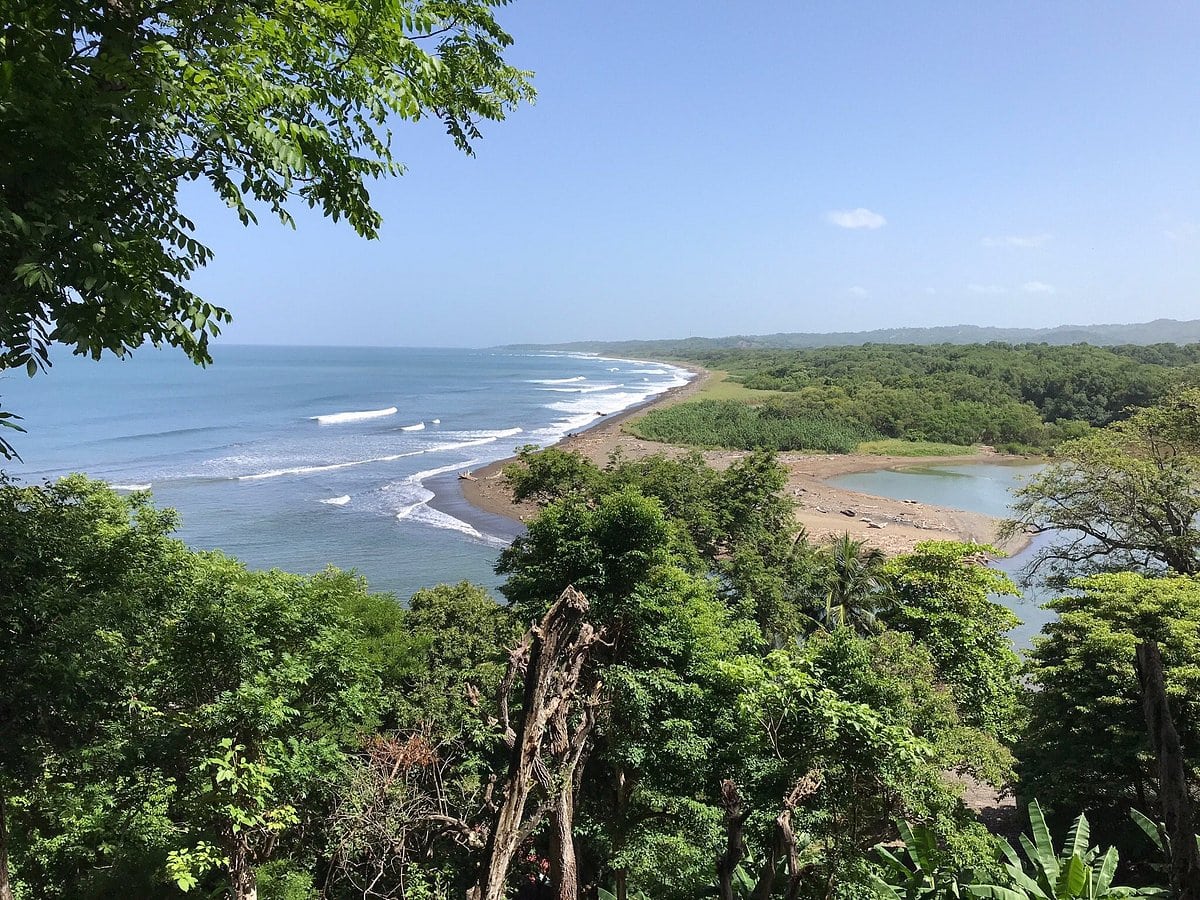
Costa Rica’s coastline catches swell year-round, which makes it one of the most reliable surf destinations on the planet. The Pacific and Caribbean sides both light up at different times of the year, meaning there’s always a wave breaking somewhere. But the conditions, crowds, and even the character of the waves shift month by month — from mellow dry-season peelers to heavy green-season tubes. Understanding those changes helps you plan the ideal trip, match the conditions to your skill level, and maximize your surf time. Here’s what to expect through the seasons — and why Nosara remains Costa Rica’s most consistent surf zone no matter when you visit.
January – March: The Dry-Season Dream
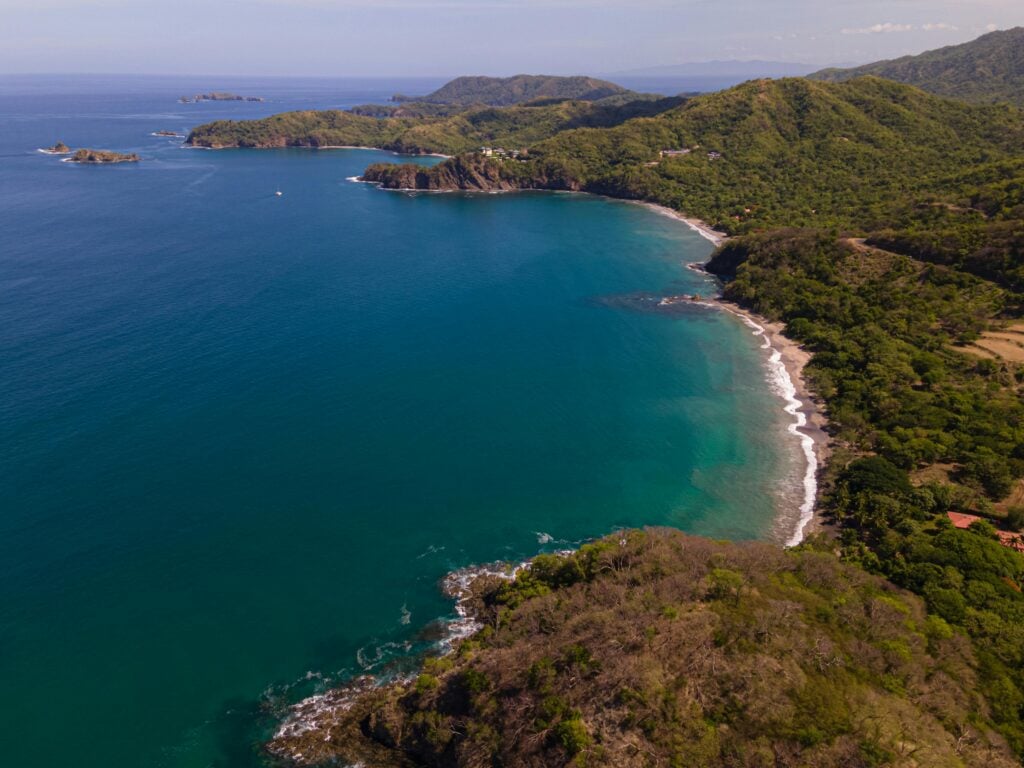
The start of the year brings blue skies, offshore winds, and waist-to-chest-high perfection. Mornings are glassy, afternoons sunny, and the rain stays away for months. This is the high season on the Nicoya Peninsula, when Playa Guiones delivers postcard-perfect surf nearly every day. The waves are approachable and forgiving — ideal for beginners dialing in the basics or families looking for a stress-free surf vacation.
Crowds peak around the holidays, but things mellow again by mid-January. At Safari Surf School, lessons and coaching sessions run daily, with the team tailoring equipment and timing to match each surfer’s ability. Expect long, mellow rides, smaller crowds by February, and water so warm you’ll never touch a wetsuit.
April – May: Transition to Swell Season

As the dry season fades, afternoon showers start rolling through, and the first strong southern-hemisphere swells appear. These months mark the start of the “green season” — a sweet spot when everything feels alive again, but the rains haven’t yet hit full force. The waves gain power, reef breaks awaken, and playful shoulder-high sets pulse across Playa Guiones.
For intermediate surfers, this is a dream window. The lineup thins out after peak tourism season, and conditions balance consistency with a bit of challenge. It’s also one of the best times for surf progression — the Safari Surf coaches can push guests into more powerful waves while maintaining safety and comfort.
June – August: The Green-Season Pulse

This is when Costa Rica flexes its true surf potential. South swells generated by storms in the Southern Hemisphere roll in like clockwork, lighting up the Pacific coast from Pavones to Nosara. Mornings often start glassy under tropical overcast skies, followed by short, heavy afternoon rains that keep the jungle bright green.
Waves are bigger, more powerful, and remarkably consistent. Intermediate and advanced surfers score long lefts and rights all along the Nicoya coast, while beginners can still find forgiving sections closer to shore. The beauty of Playa Guiones lies in its versatility — even when sets are overhead, there’s usually a smaller peak working somewhere. This season also brings vibrant wildlife, fewer tourists, and unbeatable deals on lodging and surf packages.
September – October: Rain, Solitude, and Swell Windows
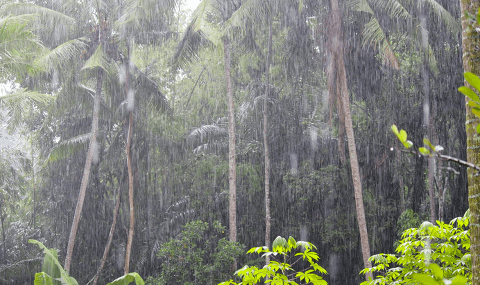
These months are Costa Rica’s wettest, but that doesn’t mean surf goes flat — far from it. The rain falls hardest at night, leaving glassy dawn patrols in its wake. Roads can be muddy, but the reward is solitude: empty beaches, clean peaks, and a deeper connection to the landscape. For dedicated surfers, this is one of the most rewarding times to visit.
Nosara remains one of the few surf towns where operations stay active through the rainy season. Safari Surf School continues to run lessons and coaching year-round, helping guests navigate tides and weather patterns for the best windows. It’s also a time to experience Costa Rica’s wild beauty — the jungle explodes with color, waterfalls roar, and you’ll often share the waves with more pelicans than people.
November – December: Offshore Returns and Holiday Stoke
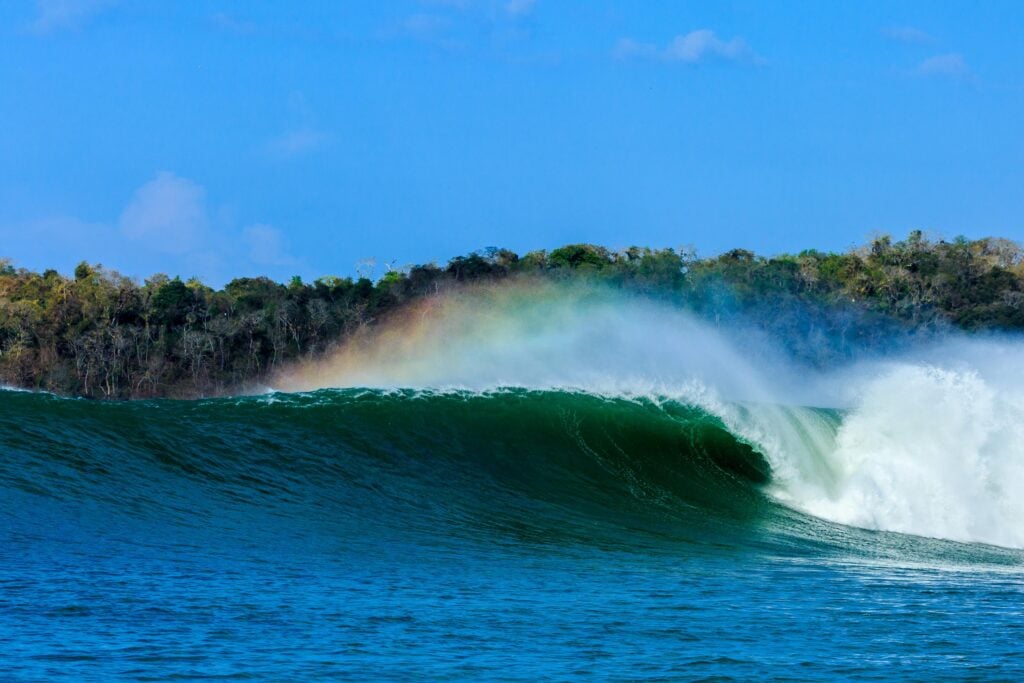
As the rains fade, dry trade winds return, bringing cooler mornings and pristine offshore conditions. This transition marks the start of Costa Rica’s second mini-dry season — arguably the most balanced time to visit. The waves smooth out into long, perfect walls ideal for all levels.
November is an insider’s month: fewer travelers, steady swell, and sunny skies. By December, the holiday season kicks off with lively lineups and festive energy across Nosara. Playa Guiones’ combination of consistent surf, walkable access, and mellow vibe makes it the go-to beach for both locals and visiting surfers looking to end the year on a high note.
So, When’s the Best Time to Go?
That depends on your priorities.
- Beginners: Stick to January through March for clean, predictable surf and sunshine.
- Intermediates: April through August offer warm water, bigger swells, and manageable crowds.
- Advanced surfers: June through October bring the power — perfect for challenging yourself on larger faces.
The truth is, there’s no wrong time to surf Costa Rica. Few places in the world offer the same year-round balance of warm water, consistent swell, and friendly local culture. Nosara, with its reliable Playa Guiones beach break, stands apart as a rare constant — a wave that works almost every day of the year, regardless of season.
Safari Surf School has spent over two decades helping guests read tides, swells, and seasons like locals. Whether you’re paddling out for your first green wave or chasing barrels in the rain, the team’s local knowledge ensures every session counts.
So check the calendar, pack your boards, and get ready to score — because in Costa Rica, every month is surf season.